

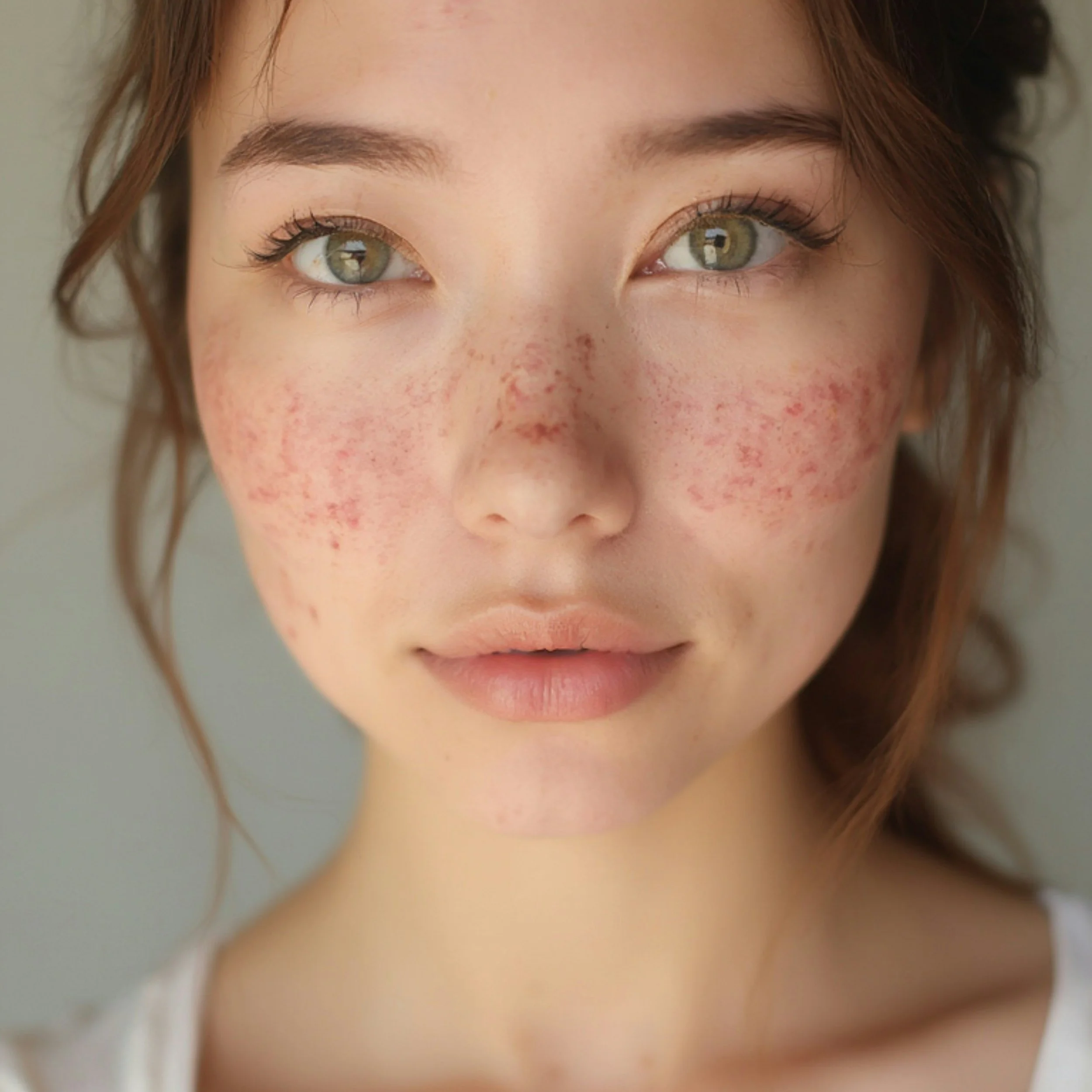
At our clinic, we’re experienced in supporting a wide range of skin conditions, from common concerns like Acne and Rosacea to more complex skin needs.
Our medically trained team is here to assess your skin in detail and provide expert, evidence-based advice tailored specifically to you.
Acne
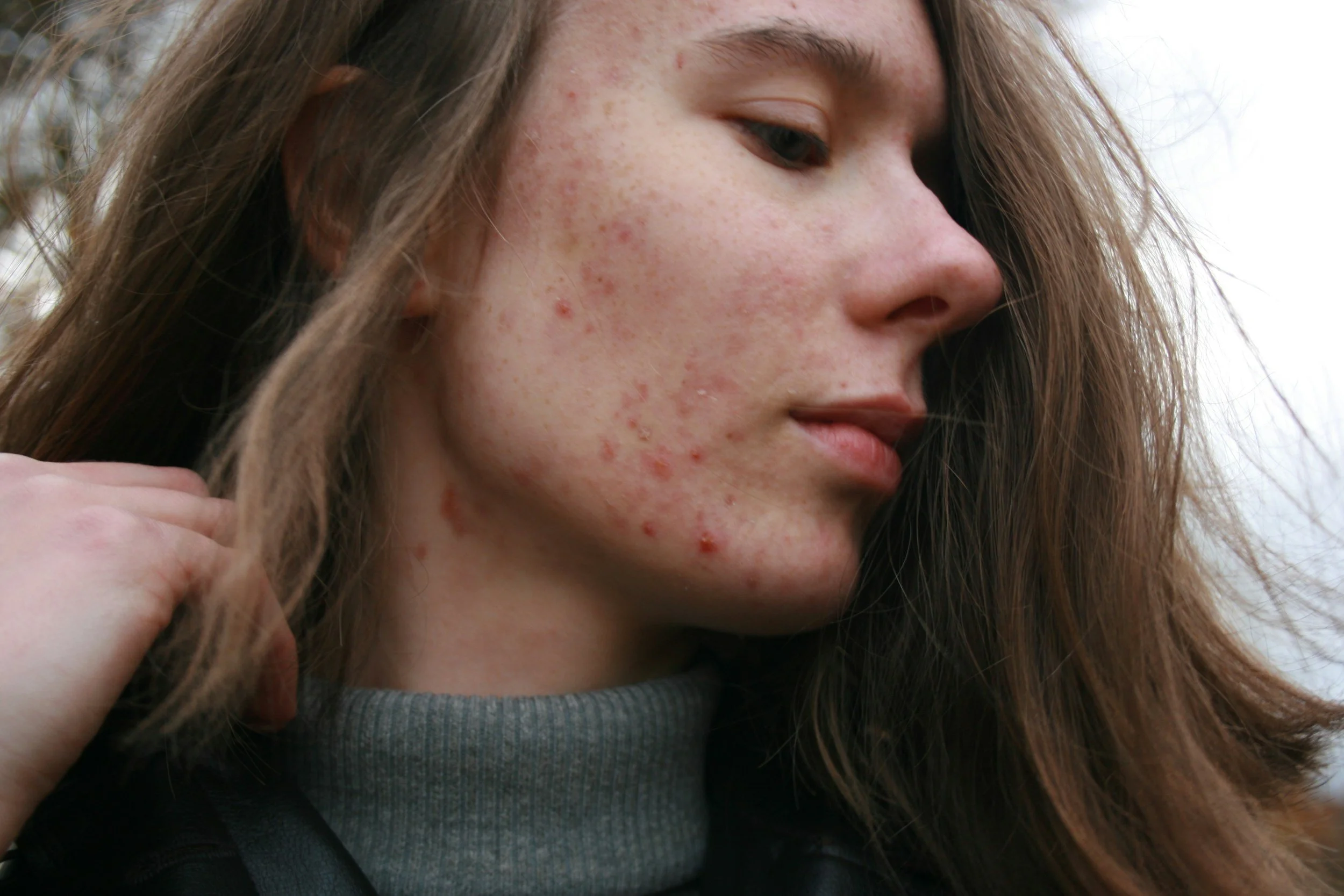
Acne is a common skin condition where hair follicles become blocked with oil and dead skin cells. This leads to spots such as blackheads, whiteheads, and inflamed pimples, most often on the face, chest, and back. It can be influenced by hormones, genetics, and lifestyle factors, and ranges from mild to more severe forms.
Pigmentation
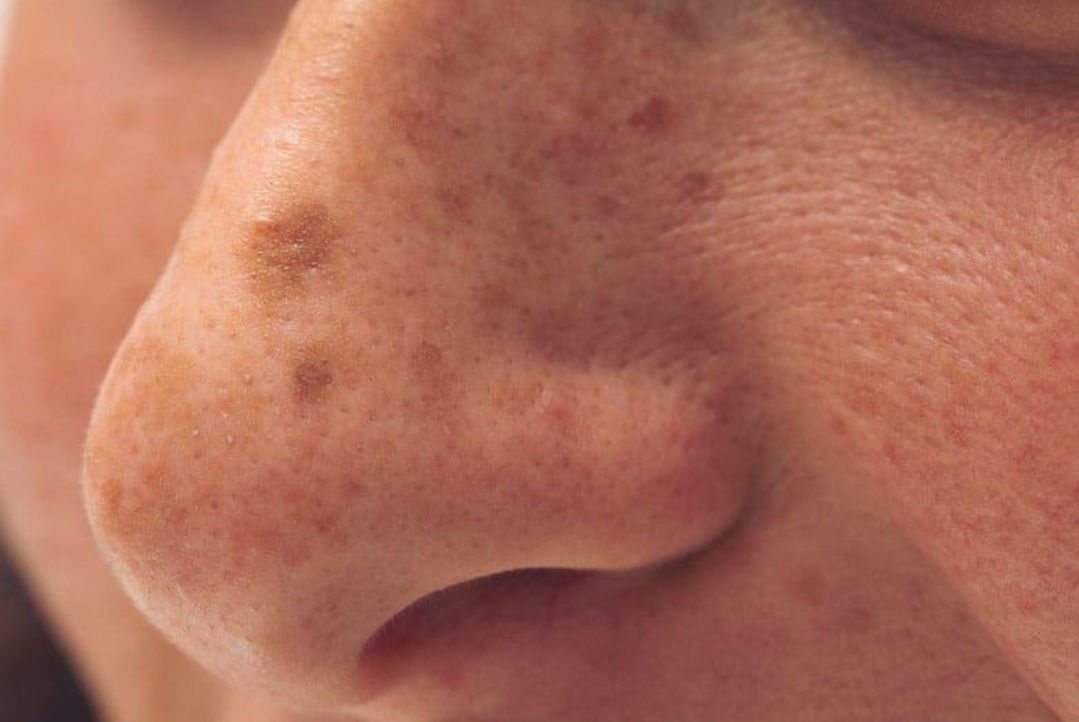
refers to the coloring of a material or tissue, especially the color of skin, hair, or eyes in living organisms. It is mainly determined by the presence and amount of a natural pigment called melanin.
In humans and many animals:
More melanin → darker color (e.g., brown or black skin/hair)
Less melanin → lighter color (e.g., fair skin, blonde hair)
Pigmentation can also refer more broadly to any coloring caused by pigments in plants, animals, or even objects like paints and inks.
In biology and medicine, changes in pigmentation can occur due to factors like:
Genetics
Sun exposure
Hormones
Certain conditions (like hyperpigmentation or depigmentation)
Rosacea
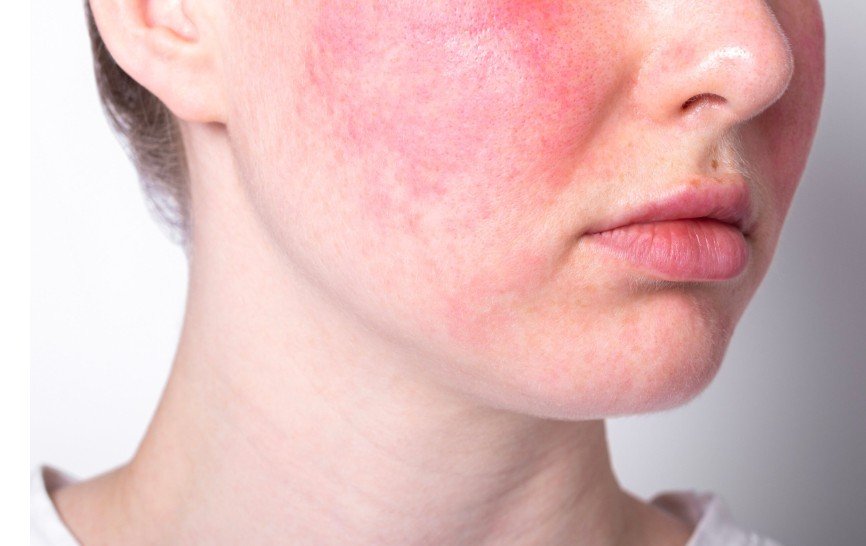
is a long-term skin condition that mainly affects the face. It typically causes persistent redness (especially on the cheeks, nose, chin, and forehead), visible small blood vessels, and sometimes spots that can look similar to acne.
People with rosacea may also experience sensitivity, dryness, or a burning/stinging feeling in the skin. In some cases, it can affect the eyes (called ocular rosacea), leading to irritation or dryness.
The exact cause isn’t fully understood, but common triggers include heat, alcohol, spicy foods, stress, and sun exposure. While there’s no cure, it can be managed effectively with the right skincare and treatments.
Sebascious hyperplasia
It typically appears as:
Small yellow or flesh-coloured bumps
Most commonly found on the forehead, cheeks, and nose
Why it happens
Sebaceous hyperplasia occurs when oil glands get enlarged and overactive, often due to:
Ageing skin (more common in middle age)
Hormonal changes
Oily skin types
Genetics
Is it harmful?
No — it’s completely benign (non-cancerous). However, it can sometimes be confused with conditions like basal cell carcinoma, so a professional assessment is always best if unsure.
Can it be treated?
Yes, if it bothers you cosmetically.
Treatments aim to reduce or remove the enlarged gland, but they can sometimes return over time.